BUILDING HIGH-PERFORMING DESIGN COMMUNITIES
One of the most rewarding things I’ve done in my career isn’t just leading teams, it’s building communities.
That might sound fluffy, but it’s not. When you’re working across 70+ designers in government or dozens of cross-functional UXers at Shopify, you learn very quickly: titles don’t deliver quality. Communities do.
Design maturity doesn’t happen in a vacuum. It happens when people feel connected, supported and challenged by their peers. My job was to create the conditions for that to thrive.
WHAT I SAW
At the largest department, Department for Work and Pensions (DWP) in UK Government, the design function had grown fast and for good reason. User-centred design had a critical role to play across pensions, benefits and employment services. But as we scaled across 6 locations in the country, the seams started to show. Designers were embedded in multidisciplinary teams, often isolated from one another. Standards were drifting.
At Shopify, the dynamic was different, but the challenge was familiar. Incredible talent, smart people, but spread across different products and specialisms. We had strong practitioners, but community-building wasn’t always part of the default operating model. Everyone was busy. Community needed to be intentional.
WHO I BROUGHT TOGETHER
This wasn’t about ‘design-only’ bubbles. At DWP, I worked across user research and interaction design, content design and service design, alongside heads of role and capability leads. I also looped in senior stakeholders, delivery managers and product leaders to help embed design quality conversations at the right levels.
At Shopify, I focused on uniting design leads across Domains, Custom Storefronts, Advanced Themes and more. I created deliberate pathways for our teams to learn from each other, not just present work in isolation.
This was never about hierarchy. It was about trust, culture and shared standards.
HOW I BUILT THE COMMUNITY
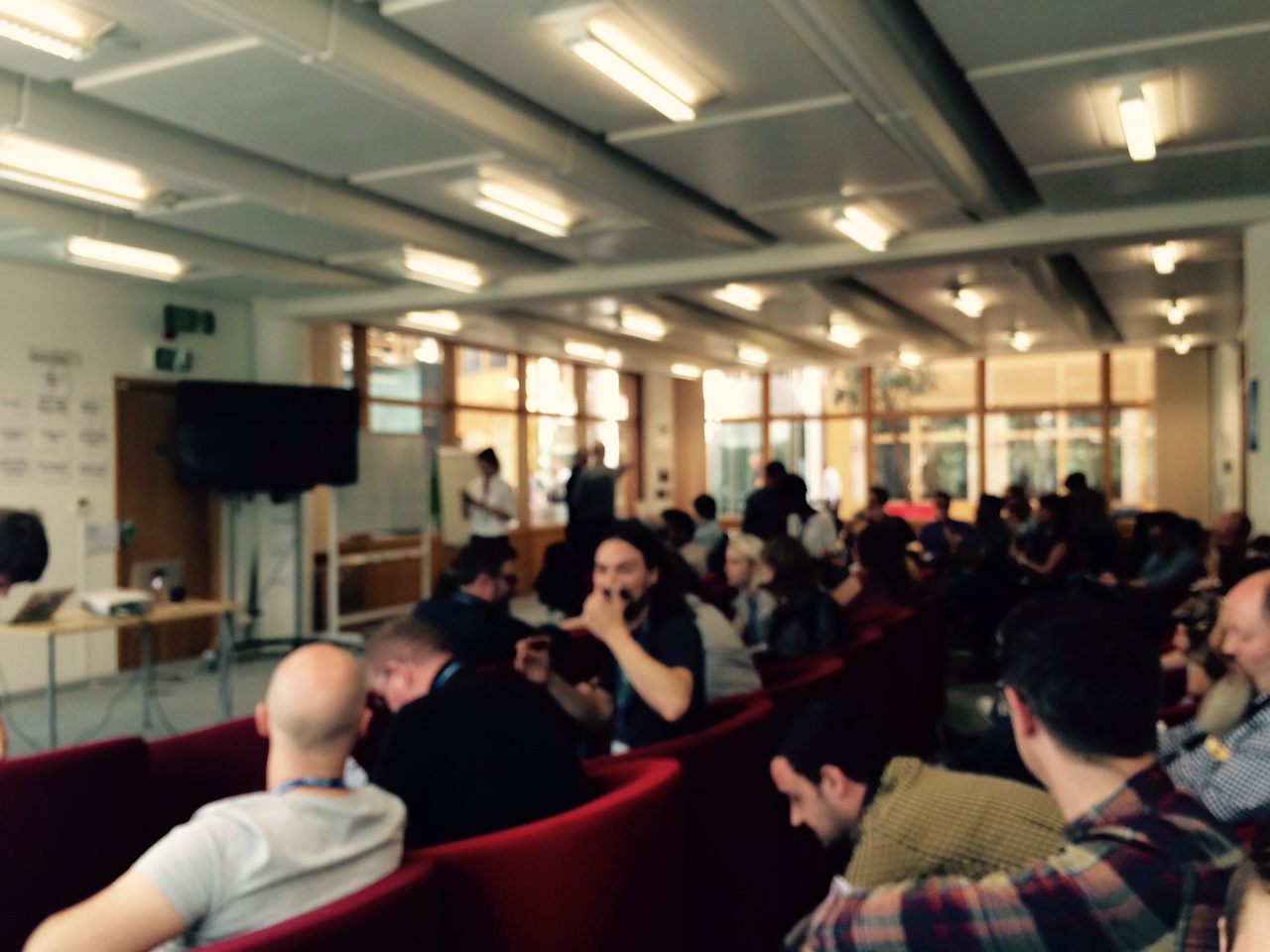
I started with visibility. At DWP, I set up regular cross-team design sessions, not just to show work, but to reflect, challenge and level up together. I encouraged critique over presentation. I made it safe to talk about what wasn’t working and not just what was polished.
I introduced a mentoring programme across the department. Mapped strengths. Matched people intentionally. It was never about “who’s senior”; it was about “who’s a good fit”. That deepened relationships in ways no Slack channel ever could.
At Shopify, I pushed for consistent rituals and shared definitions of quality. I opened up conversations between senior leads to better align expectations across product areas and worked hard to advocate for design in strategic planning, not just execution.
I also made space for vulnerability. When someone asked, “Am I doing this right?” I didn’t give them a framework, I gave them a conversation. That’s how communities are built. One moment of shared understanding at a time.
WHAT CHANGED
- Designers felt connected. They stopped working in silos and started learning from each other.
- Quality improved. Shared standards meant consistency, clarity and less rework.
- People stayed. Retention improved because people felt supported and challenged.
- Leadership pipelines grew. Mentorship created new pathways for progression.
- Culture got stronger. People stopped waiting for permission and started owning the bar through empowerment.
And I saw something else too: when a design community is healthy, you can feel it. There’s energy in the conversations. Pride in the work. And a deep understanding that great design doesn’t come from lone heroes, it comes from people who give a damn about each other.
That’s what I built. And it’s the work I’m proudest of.